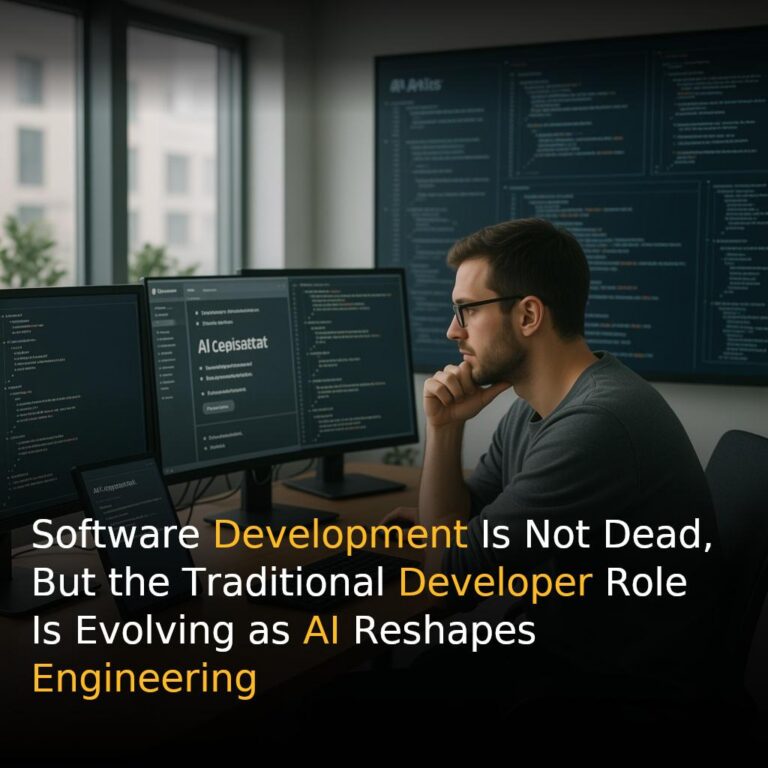
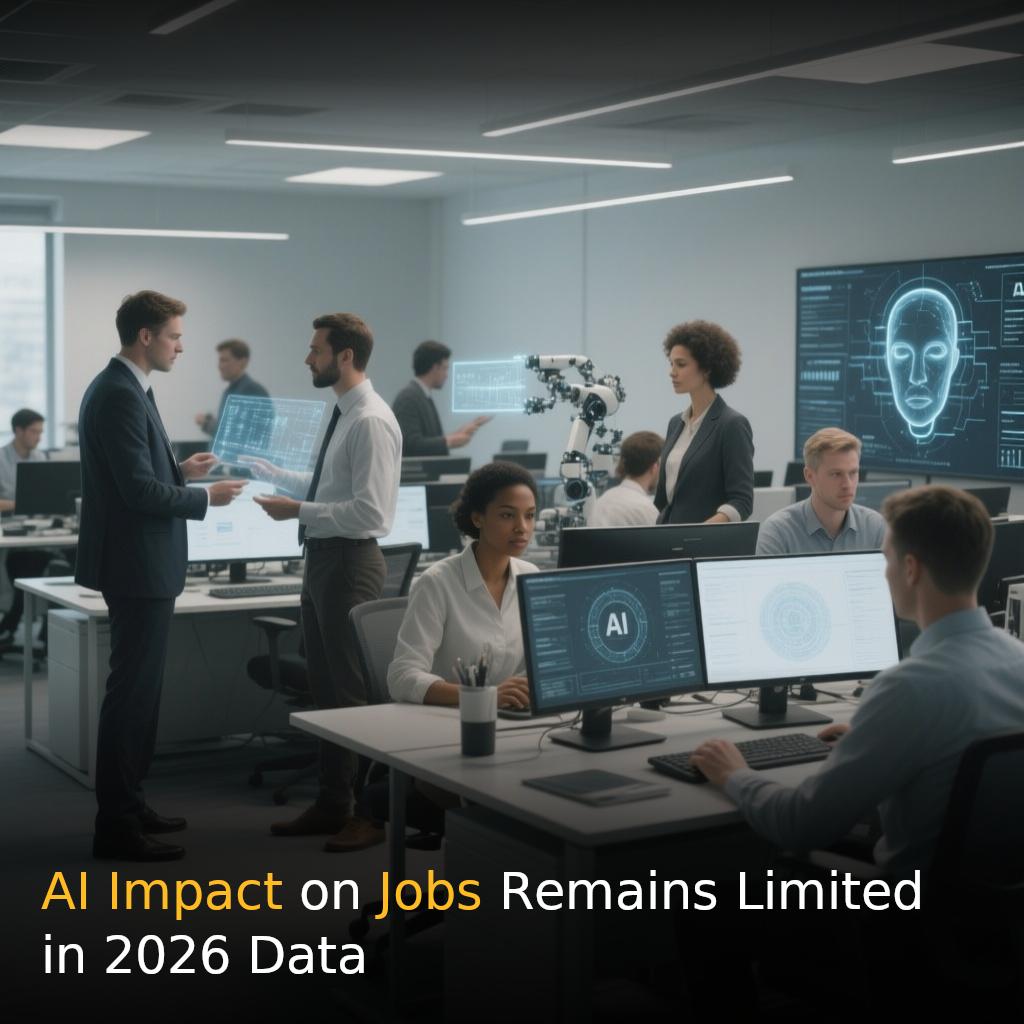
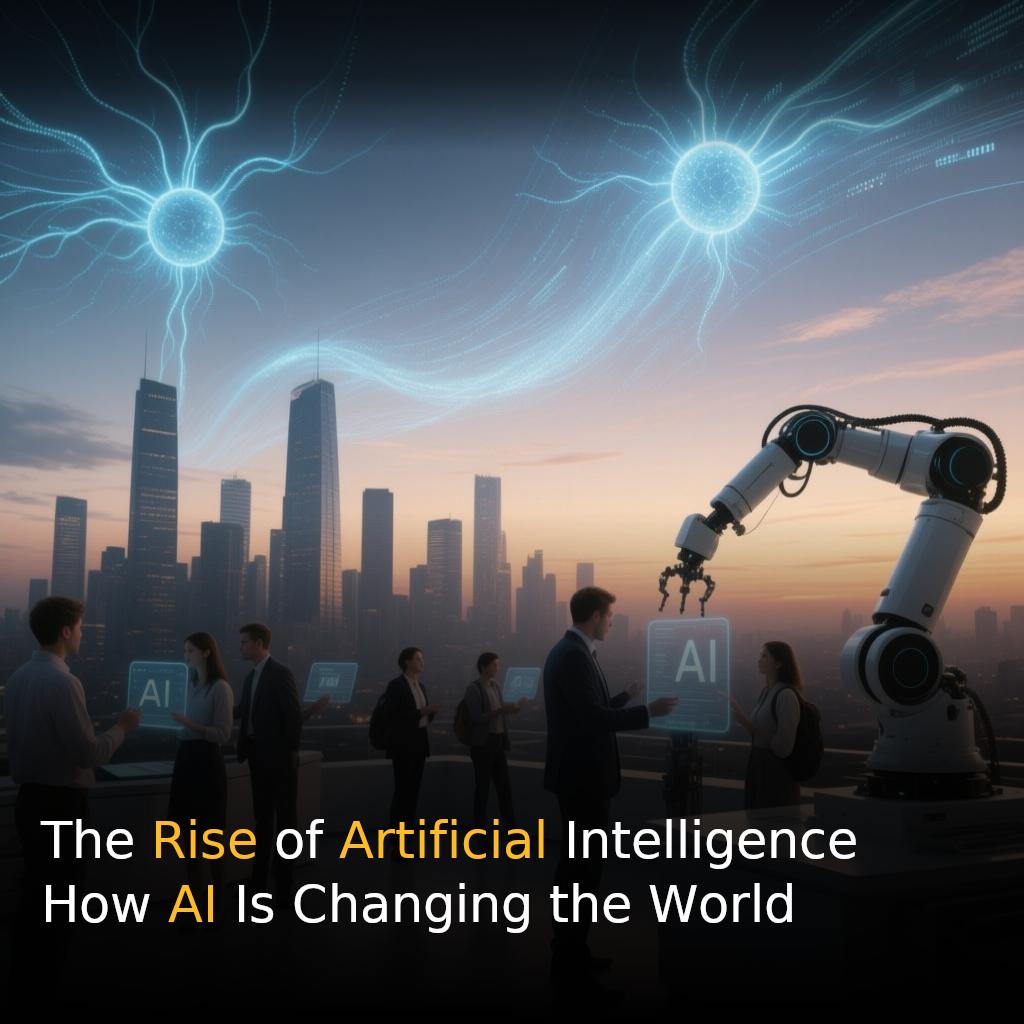
The rapid expansion of artificial intelligence sparked widespread predictions that it would eliminate a significant number of office jobs and trigger a employment crisis for white-collar workers. However, data available by 2026 does not fully confirm these fears. While some American tech executives warned last year that AI could displace many jobs in the coming years, recent research from the Stanford Institute for Economic Policy Research offers a more nuanced picture: AI’s current impact on overall employment is relatively limited, but the future trajectory remains concerning.
A Stanford study observed that in the 20% of sectors most exposed to AI, unemployment rose by approximately 0.77 percentage points after ChatGPT became mainstream in 2022. In less affected sectors, the increase was 0.85 percentage points. This indicates that the aggregate data does not yet show a clear picture of widespread job losses due to AI. Instead, the most significant change is visible in the nature of work itself. Many organizations are automating tasks previously performed by employees, merging responsibilities across roles, and seeking to extract more output from existing staff rather than hiring new people.
While AI’s effect on total employment is currently modest, the study flags a more worrying situation for new graduates and early-career employees. By early 2026, the unemployment rate for recent graduates in the United States reached 5.6%, higher than the national average. Experts suggest AI may play a role, as many entry-level positions involve research, data analysis, writing, and routine office tasks that AI can now handle with relative ease. Nevertheless, attributing the rise in unemployment solely to AI would be inaccurate; interest rates, over-hiring during the pandemic, and shifts to remote work are also contributing factors.
Another Stanford study found a noticeable decline in employment among workers aged 22 to 25 in AI-exposed sectors, raising concerns that AI’s early impact may disproportionately affect younger and less experienced workers.
From Degrees to AI Skills
The criteria for securing a job are also changing in the AI era. Companies increasingly seek individuals who can use AI tools, integrate them into their workflows, and deliver better results in less time. This does not mean every employee must become a programmer; rather, the ability to work alongside AI is becoming an additional skill across various fields. In the future, the question will not just be what a candidate knows, but how effectively they can leverage AI to enhance the speed and quality of their work.
AI Will Take Some Jobs, But Also Create New Ones
Economists point out that major technological shifts rarely only destroy jobs; they also change the nature of work and create new opportunities. AI is driving demand for specialists who can develop, implement, sell, monitor, and repair AI systems. Simultaneously, there is growing importance for employees who excel in areas such as evaluating AI outputs, decision-making, creative work, and human interaction. The Stanford research also notes that the full economic impact of technology often takes time to materialize; like the computer revolution, AI may take years to be fully integrated into company systems, employee training, and work practices.
Freelance Work Instead of Permanent Jobs?
On the other hand, experts worry that AI could affect the quality of jobs in the long term. For some companies, it may become easier to rely on freelancers, contractors, and temporary workers rather than maintaining a permanent workforce. In such a scenario, jobs may still exist, but workers might lose the benefits of career advancement, steady income, and long-term stability that traditional employment offers. Research indicates that while AI-adopting companies have so far seen limited impact on employment, their future expectations point to far larger effects. An international business study reported that most organizations saw no significant impact from AI on employment or productivity over the past three years, but the number expecting job reductions in the coming years is growing.
The Real Competition is Over Skills, Not Jobs
Given the current situation, experts believe the biggest challenge of the AI era may not be how many jobs will disappear, but how many jobs will require new skills. AI is not yet replacing humans on a large scale, but it can certainly outpace workers who are unwilling to adapt to new technology. Therefore, experts advise workers not to simply wait and see if AI will end their jobs, but to proactively learn how to use AI alongside their existing skills. While upskilling is crucial for highly skilled workers, government policies may be increasingly necessary to protect low-wage and low-skill workers.
#ArtificialIntelligence, #FutureOfWork, #JobMarket, #AI